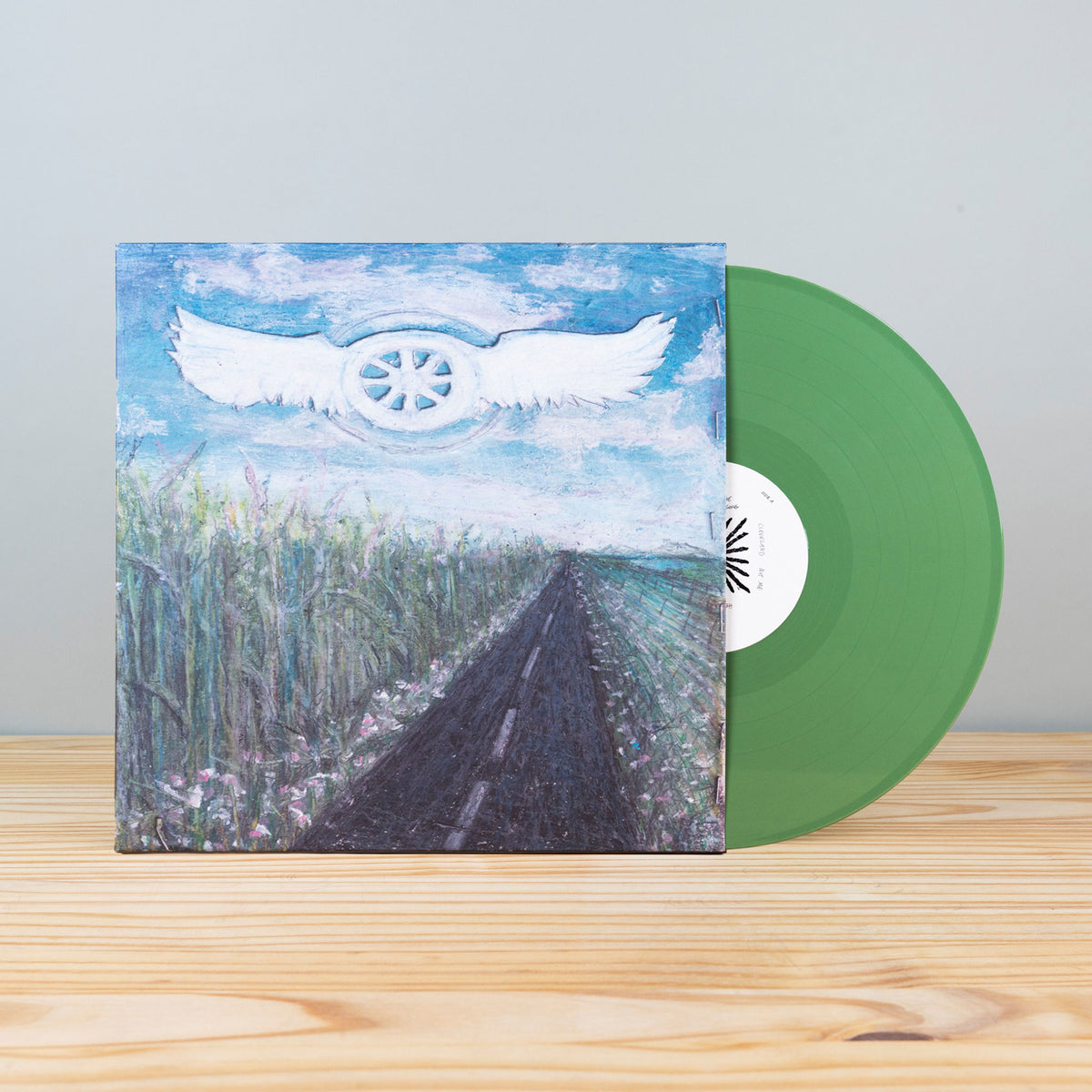
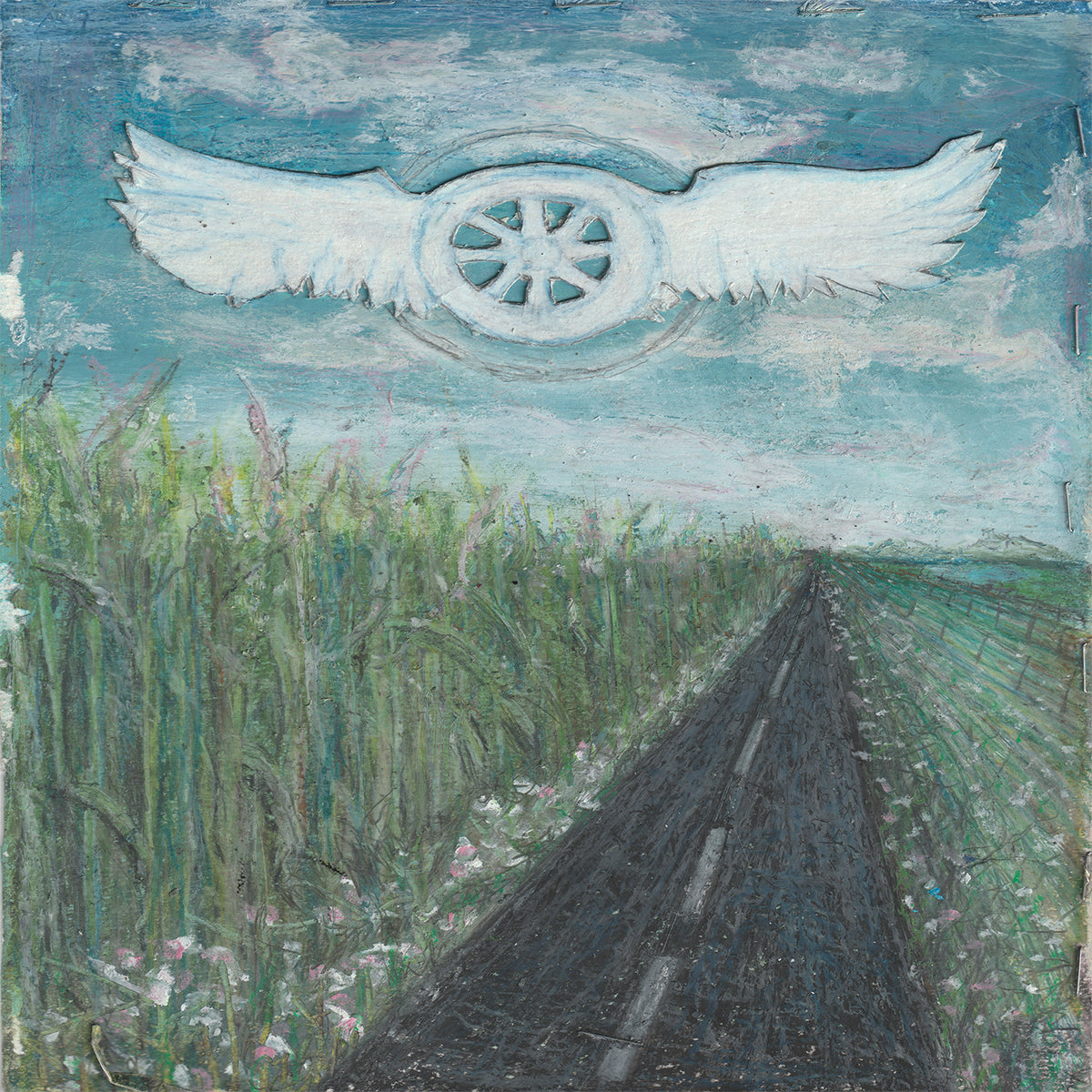
“I want to love and be loved, but I also want to feel free. The tension between those two things has been the central question of my life,” says Julia Jacklin. It’s also the theme that underpins her fourth album The Gem.
When Julia Jacklin first moved to Melbourne from Sydney in 2017, she discovered a little bar on a back street in Collingwood, where bands pushed dining tables to the side and set up in a corner on the floor. She didn’t really know anyone in town too well, but she knew she wanted to make the city her home, and so she started hanging out there, forcing herself out of her comfort zone. The pub was aptly named The Gem.
Fast forward eight years, and Jacklin, with three celebrated solo records under her belt – Don’t Let the Kids Win (2016), Crushing (2019) and PRE PLEASURE (2022) – was looking to make a fourth. She’d been touring flat-out for years, had come out of contract with her record label, was looking for a new manager. “For the first time since I started out, I had this big chunk of time without any industry expectations and no-one to ask me what was going on,” she remembers. “It was liberating and it was scary.” Jacklin wanted to do things intentionally this time around. She wanted to back herself. And she wanted to make the record at home in Melbourne: something she’d never done before.
So she called up her old drinking buddy Robert Muinos, owner of Rat Shack studios, which is located above her favourite old pub. For The Gem sessions she was also joined by longtime friends Jacob Diamond on guitar, Mimi Gilbert on bass, and Jess Elwood (Alex Lahey, Angie McMahon) on drums. She thought she’d smash out the new record in two weeks, like she’d always done – but that was not the case.
“The Gem felt like a metaphor for the whole process, because a lot of it did feel like digging. I felt like I was almost doing it in the dark, just trusting that I was going to find something,” says Jacklin of the record, which conjures images of excavation, of reinvention, of trusting your instincts and surrounding yourself with the people and things that make life worthwhile. It’s a soaring document of the songwriter’s journey back to herself.
“I thought I’d finished the record a year before I actually did. It was mixed. It was mastered. We had a listening party. We celebrated. And two days later, I was like, It's not done. I realised that I had not yet healed from some things. I was trying to prove something. I could hear it in the music. I was making choices that I thought like, Somebody will like this, right? Without fully liking it myself.” Jacklin met up with Muinos and together they spent another eleven months tinkering in the studio, working until they arrived at something Jacklin could stand behind. Some tracks, like ‘Real Life’ and album opener ‘Brand New’, have been totally reimagined.
It’s an electric opener, a statement of intent, a song about deluding yourself into believing it’s possible to leave your former self behind. “I’m free, now let me be brand new,” trills Jacklin over Elwood’s compressed live drums and Diamond's chopped up country guitar line. It feels like the song is playing in-utero: an embodied, tactile dance music that winks and nods to Jacklin’s previous records while pushing towards rebirth.
“When you get to this phase of being an artist, people have an idea of what you are and the kind of musician you are and the kind of things you write about and the kind of ways you write about them. And then it's pretty difficult to not let that inform your own sense of self. It can get really weird, where you’re like, Is this what Julia Jacklin would do? And you’re like, Wait – I’m Julia Jacklin.”
‘God Sometimes,’ with its driving rhythm section and images of flipped tables, is about choosing not to be a passenger in your own life, while ‘If I Had the Hand of God’ asks if it’s possible to be a touring musician and a good person at the same time. On ‘The Hardest Thing’, Jacklin mourns the end of a relationship. Sonically, it’s huge: total surrender.
Recording happened in close quarters, in converted hotel room accommodation upstairs at the pub, and sound bleed was a glorious constraint: foot traffic to the hairdresser and the tattoo parlour next door, loud music from the bands and the kitchen crew downstairs. Because it’s a working pub in a residential suburb, they couldn’t record late into the night for fear of bothering the neighbours. But all this came with unexpected delights. Jacklin and the band played two unannounced shows downstairs to try out the songs before recording them. “And if I needed a break from the sessions I would just go downstairs and watch the band playing,” says Jacklin. “There was something so beautifully cyclical about it.”
‘Get Away from Me (I Think I’ll Love You Soon)’ is bright and big and fun: a nod to eighties jangle rock and to the Melbourne sound she fell in love with, while ‘Walk on Me’ swells and swells over six minutes, showcasing Jacklin in full flight. It’s a haunting track that reflects on a degrading relationship: “Walk on me if you like,” she sings, “Take off your shoes, turn off the light/ Don’t want anyone else to see/ What I let you do to me.”
For album closer ‘I Wish’, Jacklin teams up with siblings Elsie and Maggie Rigby of The Maes. It’s a lullaby penned for Jacklin’s younger self – a practice that after four albums has become a tradition. There’s images of juddering growth, of change, of a fledgling bird about to flee its nest as the three vocalists harmonise: “I got through, yeah I’ll be fine/ Still I wish someone had been there at the time.”
The band got matching tattoos on the last day of The Gem sessions: a neat little circle to represent an opal – Jacklin’s favourite gemstone. Fittingly, one of the bartenders at The Gem did it. “It did really feel like we’d done something special together. And I think as a group, it felt important to commemorate it. I’m glad we all have these little gems on us.”