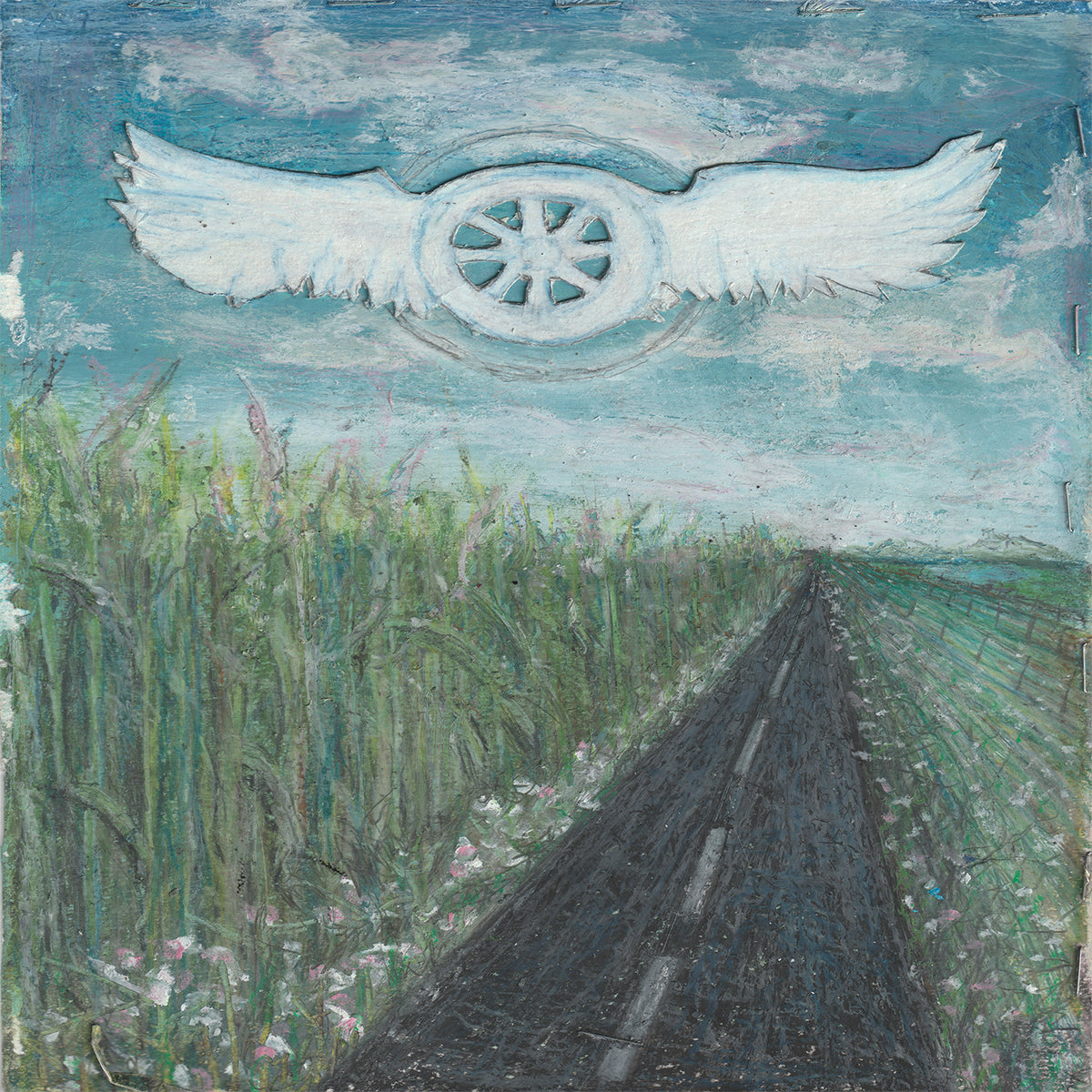
On Ricochet, the third album from Snail Mail, Lindsey Jordan returns to assert herself as a generational songwriter, clear-eyed and honest as ever. Time has passed, but she remains a sensitive soul, and here her incisive introspection is tethered to newly expansive and hypnotic melodies and ornate string arrangements.
While writing Ricochet, Jordan found herself fixating on concerns she’d previously pushed out of her mind, namely death and what happens after. Jordan’s early music largely dealt with matters of the heart, a territory that she tried to step beyond on Ricochet. “Misery feels safe to write about because I am good at it,” she says, “but I’m not bathing in my own agony anymore.”
To feel the pain of everything and then nothing is a lonesome contradiction. Ricochet is a record about being caught in this whirlpool, but Jordan’s music has never been so transcendent. The luminous opener, “Tractor Beam,” is driven by jangly guitars, but is ultimately about dissociation and “feeling othered while acknowledging that you’re spending a lot of your time and energy figuring out how to float away.”
When it came time to record the songs bouncing around in her head, Jordan turned to a friend, Aron Kobayashi Ritch, the bassist and producer of the fuzzy indie rock band Momma.
Jordan describes the process as refreshing, trusting, and comfortable. “I felt like an equal voice,” she says. “He was as interested in my decisions as I was in his.” These 11 songs are colored by the anxiety of watching life slip through your fingers, as well as the vulnerability of loving deeply rather than frenetically.
Ultimately, Ricochet is an album about realizing—and accepting—that the world still turns no matter what is going on in your tiny life.