In the early 2010s, the members of Yumi Zouma spent time together on a New Zealand street that gave its name to their first single, “The Brae.” After the 2011 Christchurch earthquake destroyed that street and much of the city, its members took off for other parts of the globe and soon began writing their first songs over email.
As a result, the band was born, and distance became a recurring theme in Yumi Zouma’s work. This makes sense given the far-flung cities the group of musicians currently call home: New York City for Burgess, London for Ryder, Wellington for Campion, and Simpson remaining in their native Christchurch. Of course, distance can also manifest metaphorically, and it’s in these figurative chasms that Truth or Consequences, Yumi Zouma’s third album and first for Polyvinyl, finds its narrative: romantic and platonic heartbreak, real and imagined emotional distance, disillusionment, and being out of reach. There are no answers, there’s very seldom closure, but there is an undeniable release that comes from saying the truth, if only to oneself.
“In the age we’re living in, there’s an emphasis on making things clear cut” says Burgess about the album’s title. “But in life and in art, nothing is ever that definitive. The truth is usually in the gray zones, and I think that’s so much of what we were trying to explore and understand on this album.”
Whilst exploring these realms, Yumi Zouma deliberately pursued a deeper sense of collaboration in order to craft a record that reflects the bond between them. Produced by the band and mixed by engineer Jake Aron (Solange, Grizzly Bear, Snail Mail), Truth or Consequences stems from sessions in Los Angeles, London, and Christchurch, where the band actively took a collegial approach, often working note-by-note, to ensure the foundations of the album reflected a sense of togetherness.
“We wanted to make the songwriting process as egalitarian as possible. Completely sharing the process helped us feel like we were capturing a purer sense of atmosphere,” says Ryder.
Much like how the first moments of a new year can usher in a wave of emotions, the first notes of Truth or Consequences wash over the listener with the contemplative yet rapturous opener “Lonely After,” in which Simpson softly sings "I was embarrassed when I knew who I was, so wild and zealous and overly down for the cause." As Burgess recalls, it’s about “that pit in your stomach when you start to question your own identity,” who wrote the first lines of the song one lonely New Year’s Eve, during the nebulous beginnings of a budding relationship.
Lead single “Right Track / Wrong Man” exhibits a Balearic tempo and bass-heavy energy that belies its underlying tension. Simpson reveals, “At the time I was living with a boyfriend who was quite lovely, but there wasn’t that passion or excitement that you imagine for yourself when you’re young. That song is about accepting that something’s not working, and deciding to just be on your own for a while.” Album centerpiece “Cool For A Second” coalesces the motif of isolation and its ensuing fallout into a letter to a past connection: Whilst on “Truer Than Ever,” the band draws inspiration from the classics to radiate a brazen spirit of perseverance. “I love the duality in a lot of disco songs, where they’re incredibly upbeat, but there’s real frustration in the lyrics – sort of like, ‘Nothing’s going the way I want, but I’ve got to deal with it any way I can,’” Simpson says.
Throughout, Simpson’s voice gives weight to whispers of impressionistic poetry, shielding hard truths with soft tones, while Burgess’ vocals reveal a rarified dimension of raw and lucid romanticism. With this being the first Yumi Zouma album to feature live drums, courtesy of Campion, Truth or Consequences is a testament to the success of the band’s approach – a unified body of melody that mines the spaces in between.
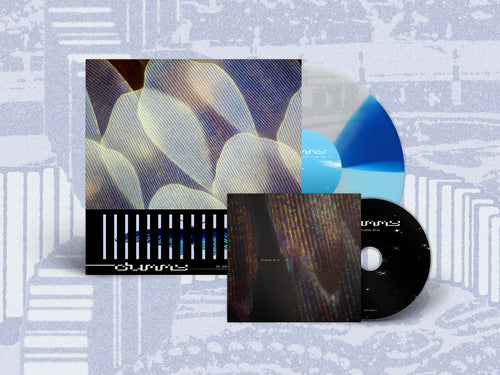
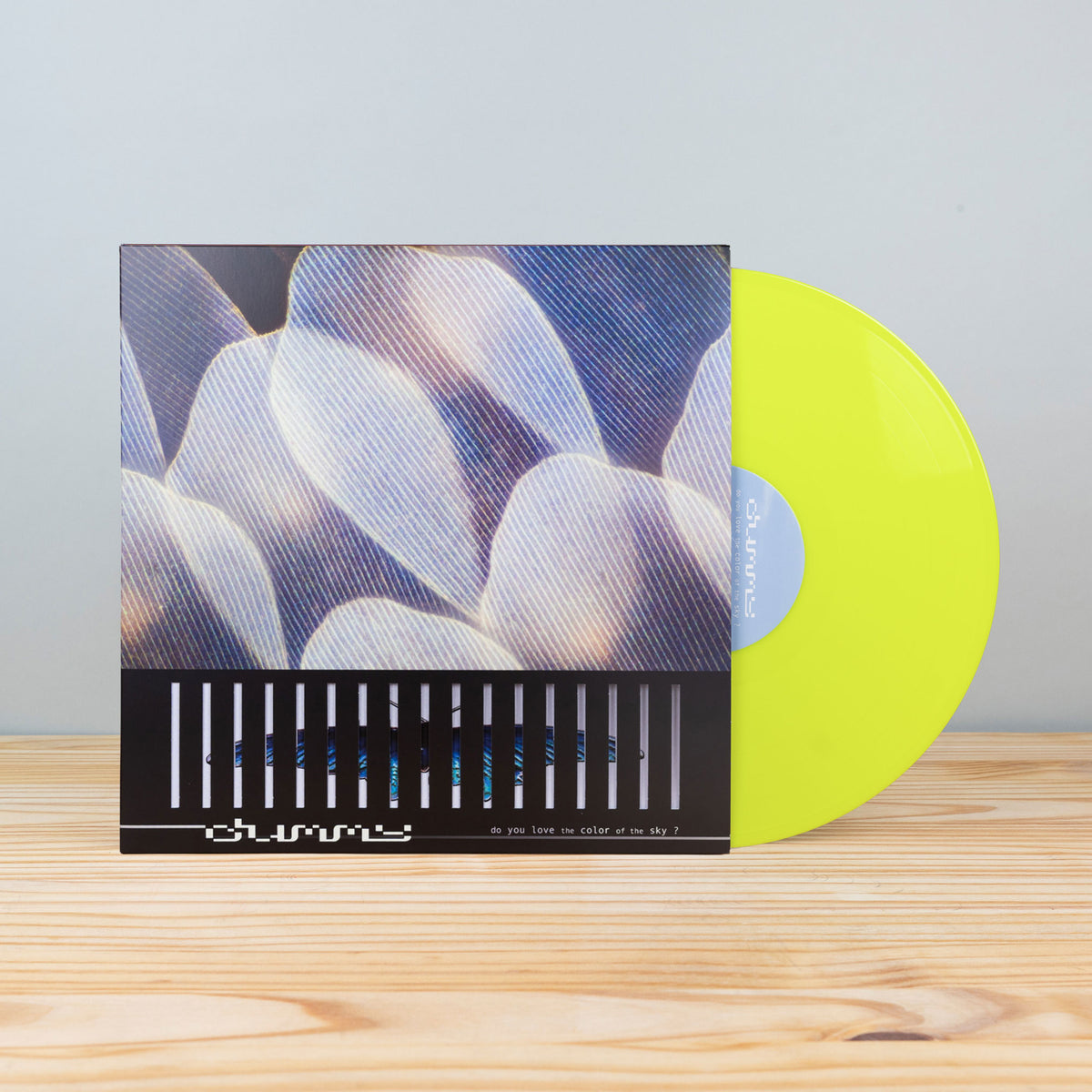
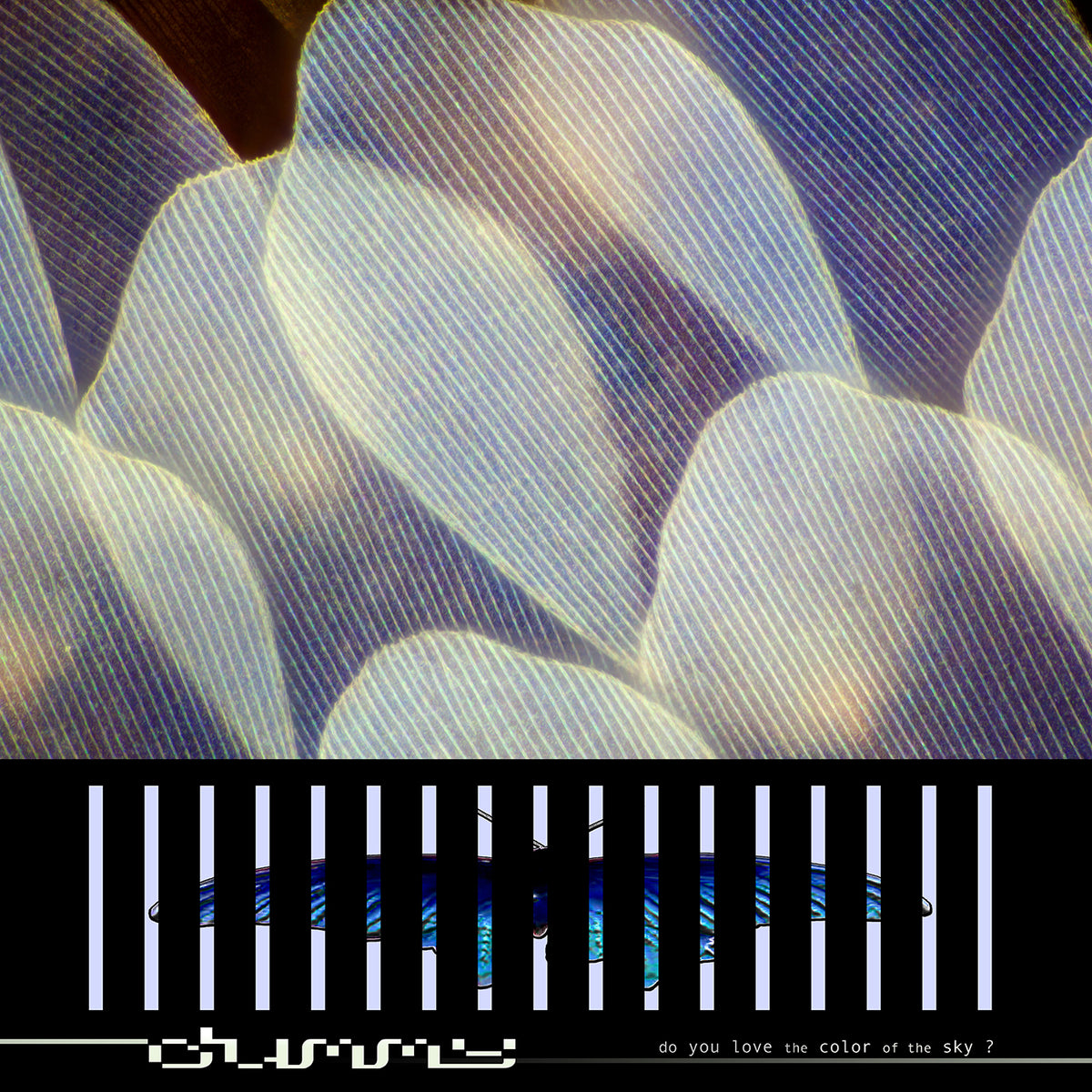
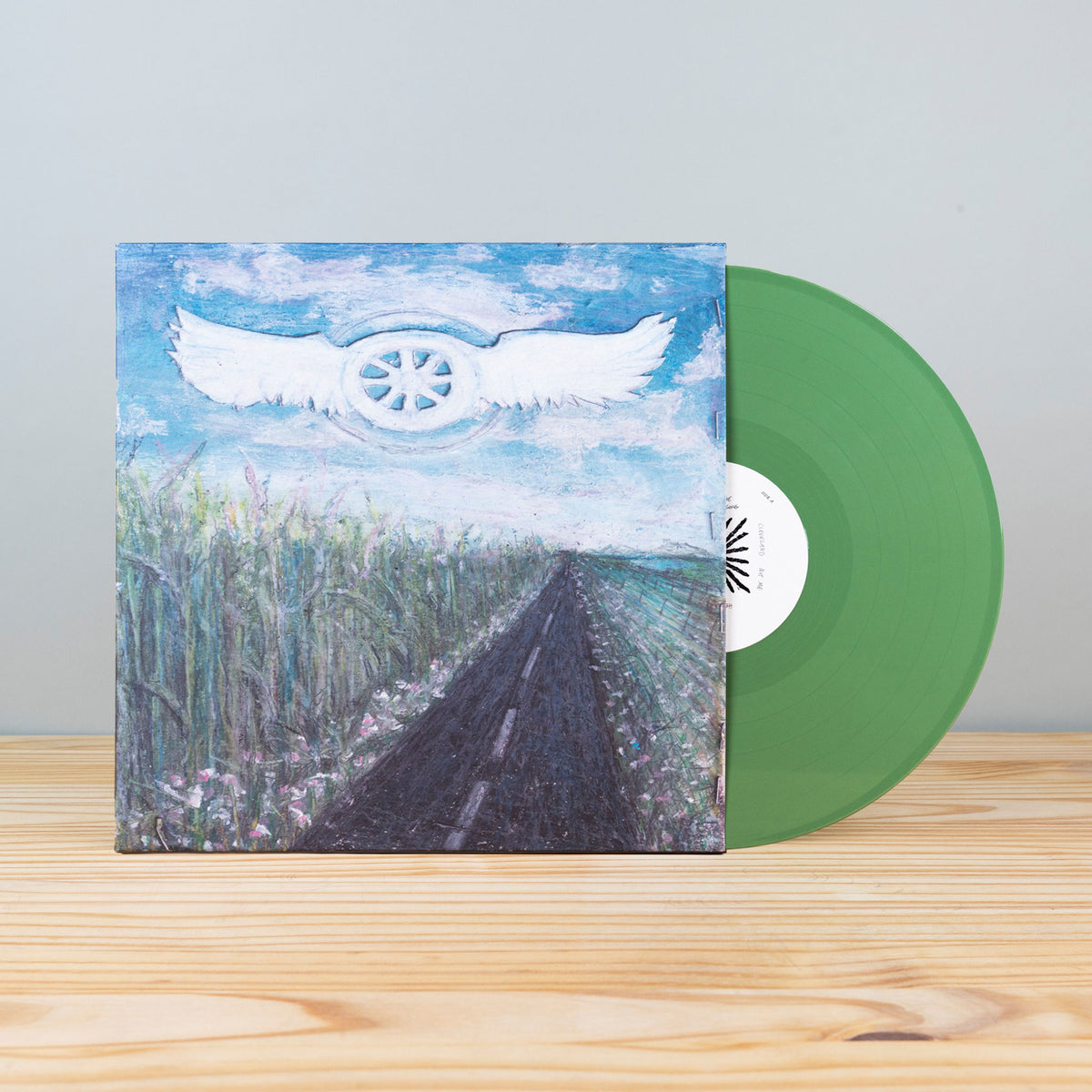
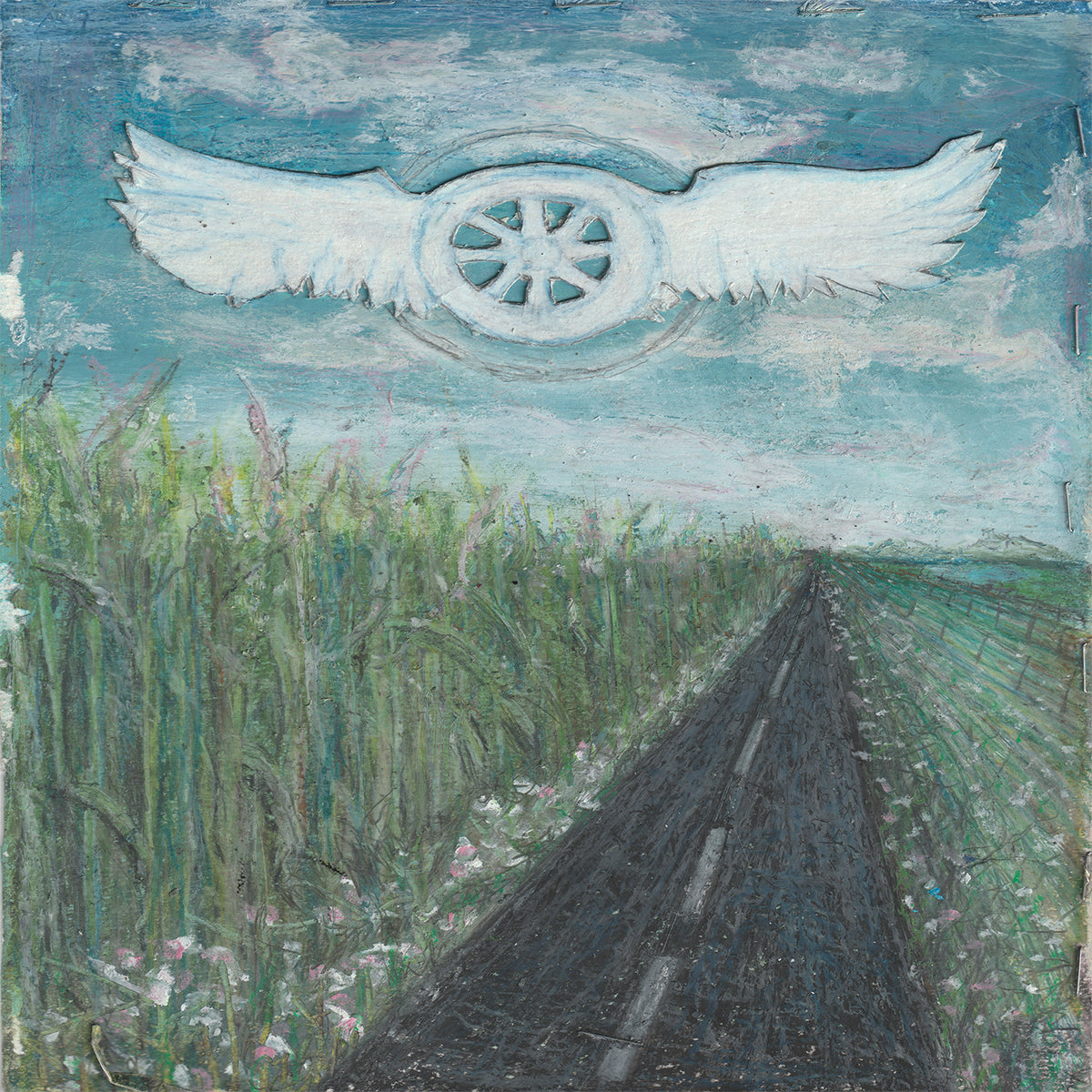
Art Direction by Yumi Zouma and Lorenzo Fanton
Packaging Design/Layout by Lorenzo Fanton ( Instagram | Website )